eweditor
Guiding Principles for Assessing the Impacts of Citizen Science
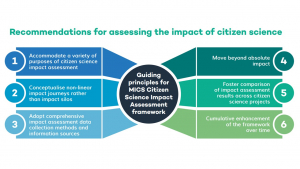
MICS has recently produced a science brief titled “Guiding Principles for Assessing the Impacts of Citizen Science”. This science brief presents six recommendations for developing the MICS comprehensive Citizen Science Impact Assessment framework that will help overcome the dispersion of approaches in assessing citizen science impacts.
- Accommodate a variety of purposes of citizen science impact assessment
- Conceptualise non-linear impact journeys rather than impact silos
- Adopt comprehensive impact assessment data collection methods and information sources
- Move beyond absolute impact
- Foster comparison of impact assessment results across citizen science projects
- Cumulative enhancement of the framework over time
The brief is available to download here.
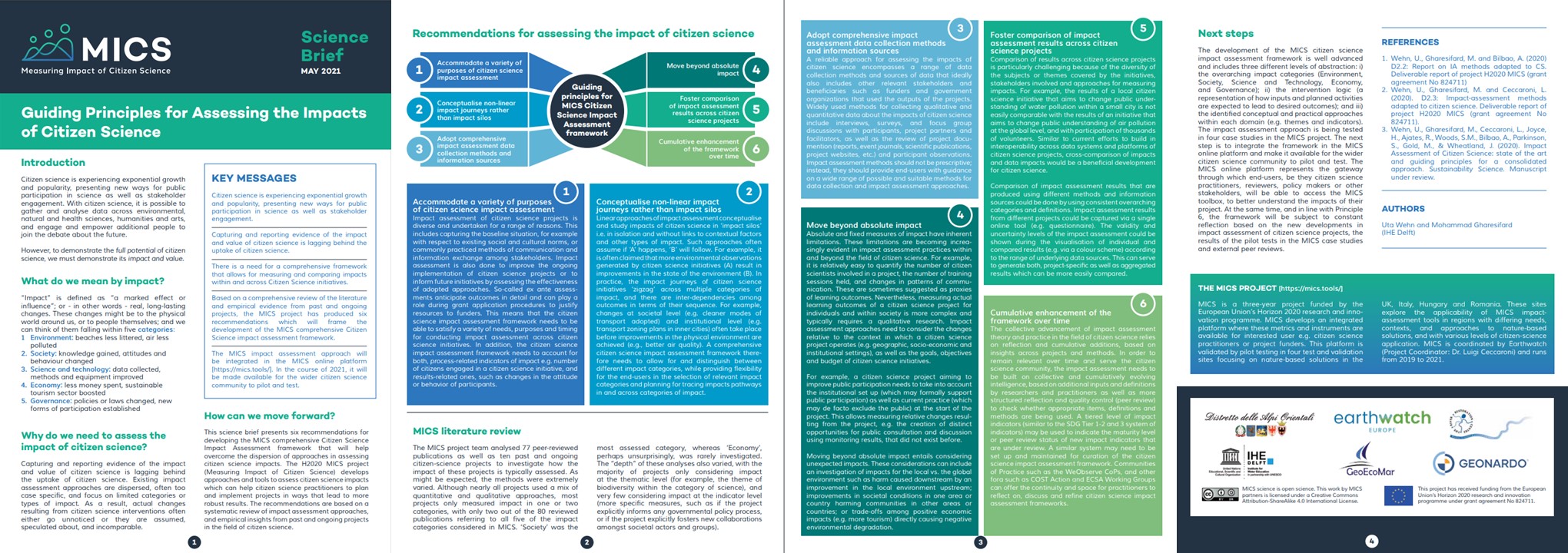
The recommendations are based on a systematic review of impact assessment approaches, and empirical insights from past and ongoing projects in the field of citizen science. Led by IHE Delft, the MICS project team analysed 77 peer-reviewed publications as well as ten past and ongoing citizen-science projects to investigate how the impact of these projects is typically assessed. The results of this analysis were recently published in the Sustainability Science journal [https://doi.org/10.1007/s11625-021-00959-2].
Special issue on Citizen Science Projects for Environmental Challenges and Sustainable Development Goals
Call for papers: Special issue on Citizen Science Projects for Environmental Challenges and Sustainable Development Goals
Authors are invited to submit manuscripts a new special issue of the journal Sustainability. The guest editors for the special issue are Dr. Luigi Ceccaroni, Ms. Dilek Fraisl, Dr. Stephen MacFeely, and Mr. Stephen Parkinson. The editors encourage submissions that explore citizen science projects which contribute to solving the environmental challenges related to the sustainable development goals. Examples of projects and applications of citizen science in any domain and related to any SDG are welcomed.
Further details including details on how to submit are available on the journal’s website [https://www.mdpi.com/journal/sustainability/special_issues/citizen_science_sdg]. Questions can be directed to Luigi Ceccaroni [This email address is being protected from spambots. You need JavaScript enabled to view it.].
Deadline for manuscript submissions: 1st July 2021.
Special Issue: Participatory Evaluation and Impact Assessment in Citizen Science
ZSI is pleased to announce the call for papers for a special issue of the FTeval Journal: Participatory Evaluation and Impact Assessment in Citizen Science
https://www.fteval.at/content/home/journal/aktuelles/fteval-Journal_54_Special-Issue_Citizen-Science.pdf
We welcome contributions from citizen science, participatory social research, public policy, environmental justice, and related fields, as well as reports from practitioners, including related theoretical and practical perspectives from various other professions and disciplines.
- What options are there for the design of participatory evaluation in citizen science and related domains?
- What are the challenges and benefits of participatory evaluation for involved stakeholders and participants?
- What should be the scopes for participatory evaluation and respective impact assessments, where to start and where to go?
- What methods and approaches have proven to work well in participatory evaluation in citizen (social) science and citizen humanities?
- How can the interfaces of research and policy and society be fostered with participatory evaluation, and what are the pitfalls to care about?
- What legal and ethical issues must be considered and addressed when developing and implementing participatory evaluation?
Topics to be covered:
- Governance and planning of participatory processes
- Evaluation in participation design
- Power relationships and shifting power configurations
- Monitoring processes and outputs
- Capacity building
- Creating trust and safe spaces
- Reflexivity
- Openness
- Ownership of processes and results
- and many more
Important dates:
- Submission of abstracts: 15 Sept 2021 (notification 15 Oct 2021)
- Submission of full papers: 31 Dec 2021
- Publication (print and on-line):June 2022
Investigating the impact of Outfall Safari
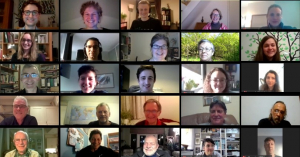
The MICS UK case study kicked off 2021 by inviting citizen scientists and the project coordinators involved in Outfall Safari to a series of virtual workshop to discuss their thoughts and understanding regarding the ‘impacts’ of the project.
What is Outfall Safari?
Outfall Safari is an innovative citizen science method for locating, assessing the impact of, and reporting on polluted surface water outfalls. Polluting surface water outfalls often occur when household appliances are incorrectly plumbed, ‘misconnected’, into surface water drains, which flow directly into rivers. Citizens use an app to score outfalls based on the appearance and flow. The polluting outfall scores are reported to local water companies who work to trace misconnected pipes to remedy pollution hotspots.
Since Outfall Safari began in 2016 over 200 citizen scientists have been involved in surveying over 150 km of rivers across Greater London. The project helps raise awareness of misconnections, collect valuable data and helps water companies target efforts to reduce pollution and improve our rivers.
More information about Outfall Safari can be found here: Outfall Safari Guide and Resource Pack.

Outfall Safari is used to locate and assess the impact of polluting surface water outfalls. Source: Zoological Society of London (ZSL), 2017.
The workshop series
A series of 3 virtual workshops were held to explore the impacts of Outfall Safari with citizen scientists and coordinators involved in the project. Despite not being able to meet in-person all three workshops received good attendance and we were able to hold some interesting discussions regarding project impact!

Creating an Impact Journey for Outfall Safari
The first 2 workshops entailed activities designed to develop an ‘impact journey’. An impact journey is essentially a map that details the impacts of a project and the actions or steps that contribute to achieving them. Separate workshops were held with citizen scientists and project coordinators to get both viewpoints on the impacts of Outfall Safari. The MICS project explores the impact of citizen science activities on five domains – Environment, Governance, Science & Technology, Society, and Economy – and participants were asked to link impacts to one or more of these domains.
Following these workshops, the MICS project partners synthesised the impact journey maps, grouping impacts under broad headings.
Six long-term impacts of the Outfall Safari project were identified:
- Wider public awareness / changing attitudes of polluting outfalls
- Improved river water quality and habitat
- Improved decision making regarding polluting outfalls
- Improved Policies / Legislation
- Business Creation
- Increased institutional knowledge in how to run effective citizen science project
Monitoring the impacts of Outfall Safari
The final workshop in the series brought together citizen scientists and project coordinators to agree upon a combined and simplified version of the impact journey, and to identify which impacts were of priority to monitor. We then discussed how these selected impacts could be monitored, who could be involved and what resources may be required.
Over the coming months the MICS project hopes to help the coordinators of Outfall Safari formulate an impact monitoring program for their project.
Merry MICSmas
https://www.youtube.com/watch?v=bWrX7uSrjFo
Here we are: December. The fifth and final newsletter of the year. And what a year it has been! Global pandemic and national lockdowns aside, it’s been positively action packed. To summarise the last year, we’ve written the Twelve Days of MICSmas. Feel free to sing it rather than read it!
On the 12th day of MICSmas, the project gave to me:
12 months of hard work
11 citizen science project coordinators interviewed for their views on impact
10 citizen science workshops (four in Hungary, four in Italy, one in Romania, and one at the MICS plenary meeting at Cranfield)
9 projects in monthly SwafS calls
8 deliverables submitted*
7 reviewers engaged
6 partners collaborating
5 domains (economy, environment, governance, science and society) used to develop indicators of impact
4 case studies continuing with the co-design of citizen science
3 virtual conferences attended**
2 papers submitted to high impact journals
And a platform to measure impact
*by the end of December
**four by the end of today
You can watch members of the MICS team perform this Christmas carol here, if you’re in need of some festive cheer!
Project update - Feb 2021
One of the key requirements for realising the potential of citizen science is evidence and demonstration of its impact and value. Based on a systematic review of 80 publications, combined with empirical insights from ten past and ongoing projects in the field of citizen science, a paper currently under review will present guidelines for a consolidated citizen-science impact assessment framework to help overcome the dispersion of approaches in assessing citizen science impacts; this comprehensive framework enhances the ease and consistency with which impacts can be captured, as well as the comparability of evolving results across projects. MICS's review is framed according to five distinct, yet interlinked, impact domains (society, economy, environment, science, and governance). Existing citizen-science impact assessment approaches provide assessment guidelines unevenly across the five impact domains, and with only a small number providing concrete indicator-level conceptualisations. The analysis of the results generates a number of salient insights which MICS combines in a set of guiding principles for a consolidated impact assessment framework for citizen-science initiatives.
Moreover, this recent paper has been published on the topic, providing a specific methodology for citizen-science cost-benefit analyses in flood risk management and concrete estimates of saving for a case study in Italy.
Co-design at Marzenego River
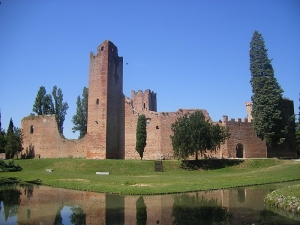
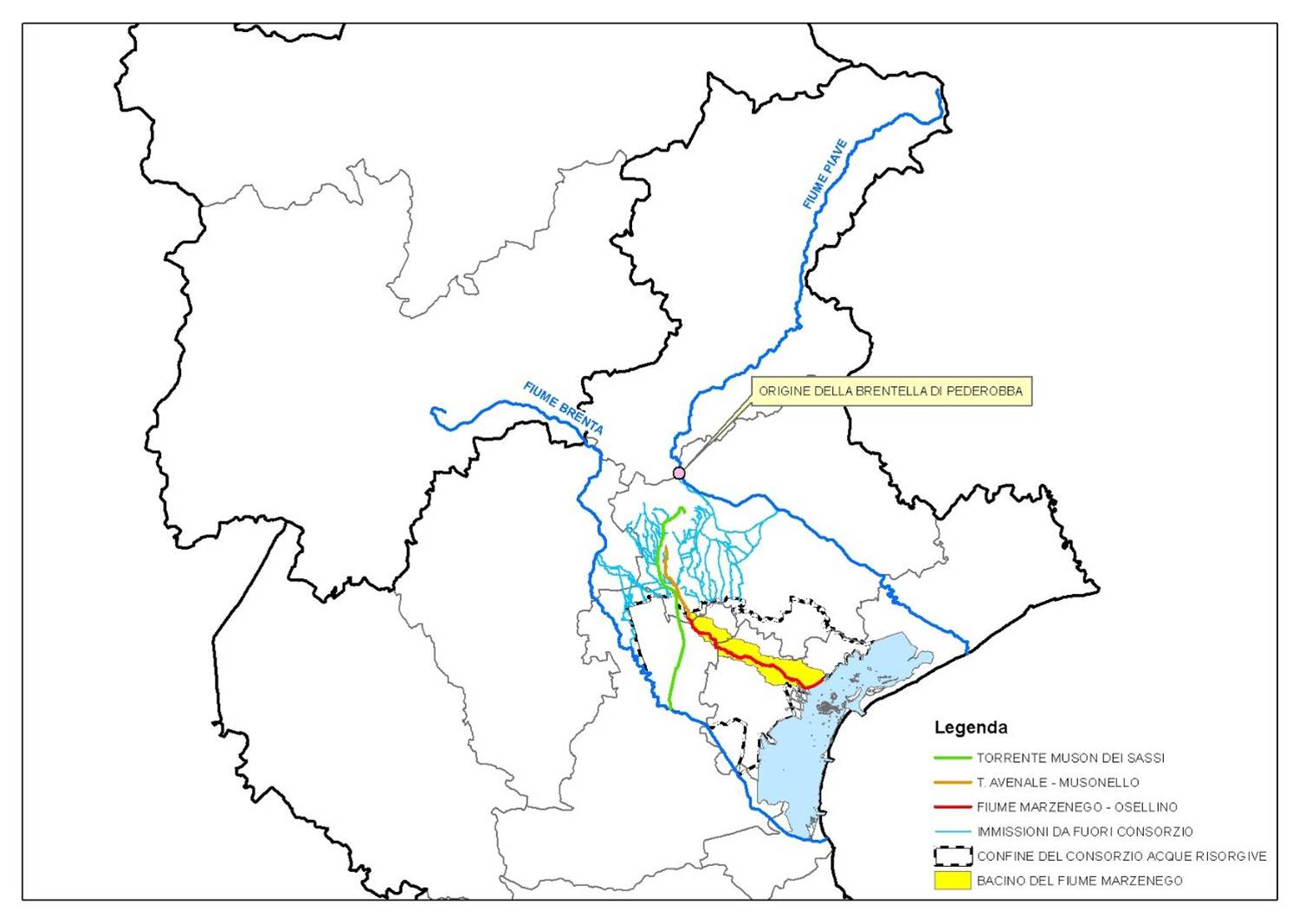
The Marzenego river begins its course in the north-east of the Venetian Region. Along its 45 km, the river crosses an extremely heterogeneous territory - characterized by rural, industrial and urban areas – ultimately channelling into the artificial Osellino canal which reaches the Venice Lagoon. As a result, the Marzenego receives water from a dense network of drainage canals, which modify the morphology of the watercourse and put areas surrounding the Marzenego at risk of flooding.
Nature Based Solutions (NBSs) aim to manage both the sustainable use of natural resources to address socio-environmental challenges, and the risk of environmental disaster; providing an integrated approach to conserve, manage and preserve the functionality of natural ecosystems. Along the Marzenego river, NBSs may include the restoration of natural habitats through the widening and remodulation of the riverbed, and the creation of wetlands for nutrient and sediment reduction; promoting biodiversity, reducing flood risk, and providing recreational areas for neighbouring communities.
NBSs are particularly effective when they are developed in a co-participative context, in which volunteers can have the opportunity to express their expectations and needs and be involved in the decision-making processes. Citizen science can further involve citizens by including them in the environmental monitoring of the NBS.
The NBS implemented along the Marzenego river provides a suitable case-study for MICS to evaluate; elucidating the impact of citizen science initiatives in this specific environment. To co-design the citizen science activities, MICS adopts and applies the best practice generated by the Ground Truth 2.0 project. This process has already begun with the first of three workshops, designed to identify and define the project and the environmental monitoring activities to be carried out by citizen scientists.
In December 2019, 40 citizens – including scientists, teachers, environmental experts and public authorities – were introduced to the river restoration project; the concepts of citizen science and NBS; and the MICS project as a whole. Through a series of activities – intended to facilitate an effective co-design of the project - the volunteers contributed their views on the issues surrounding flooding and poor water quality, and their expectations for what the project might achieve. Expectations were summarised as an infographic, and demonstrate increased well-being, increased biodiversity, environmental risk mitigation and social development as key issues in need of addressing.
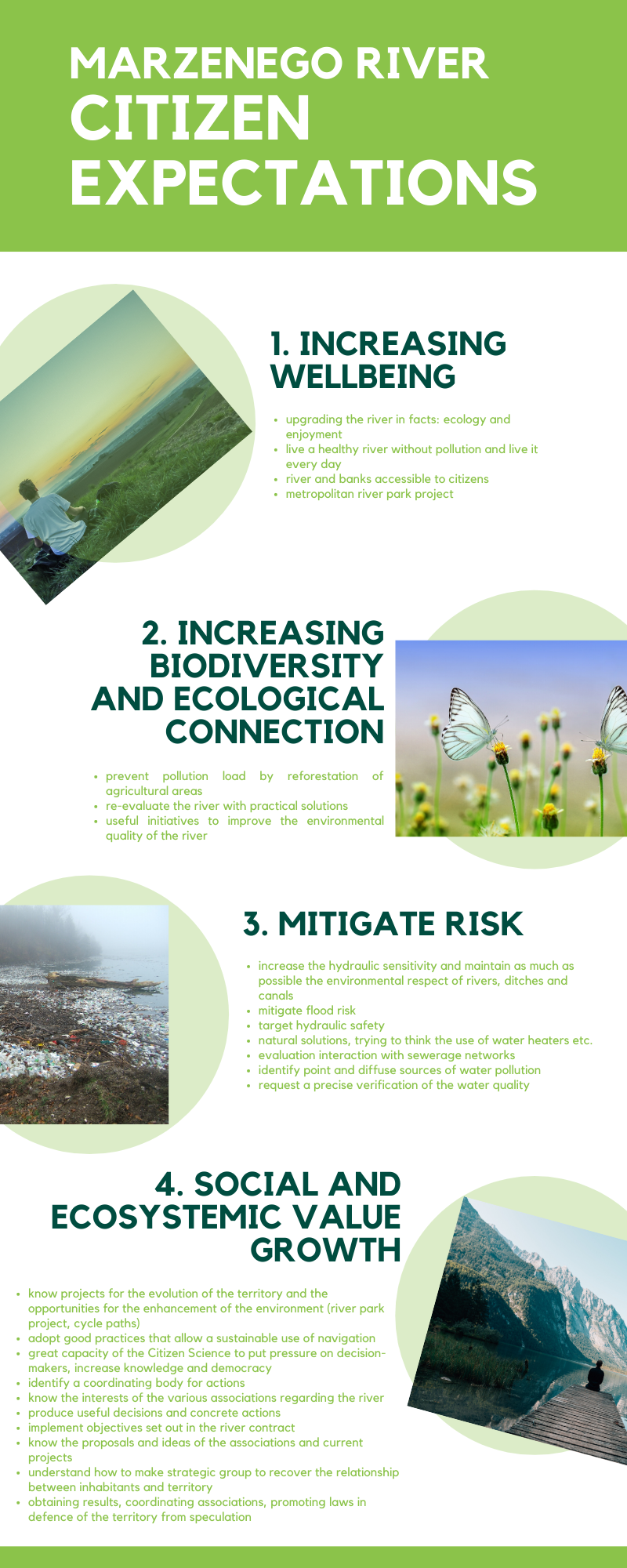
Based on these expectations, the second workshop will utilize co-design methods to identify useful indicators for each citizen science activity, aimed at monitoring the environmental changes before and after the implementation of NBSs. The third workshop will be dedicated to providing the necessary tools (such as practical kits and apps) for volunteers to begin monitoring.
We’ll keep you updated with our progress following these workshops!
Co-Design for impact
What is co-design?
Co-design aims to empower citizens to work with stakeholders and scientists to develop meaningful citizen science activities from the beginning of a project. This allows the creation of activities within communities with common interests helping to sustain longer-term citizen science involvement and impact because of the co-operative process. Under the guidance of IHE Delft, MICS adopts and applies the best practice generated by the Ground Truth 2.0 project in the co-design of citizen science. The co-design process involves a series of workshops with citizens and stakeholders to understand their views and interests. The first co-design workshop has taken place in the Italian and Hungarian case studies.
Further co-design sessions are being organised to explore the themes identified by the citizens and stakeholders, and to design the hands-on citizen science activities.
Understanding Impact
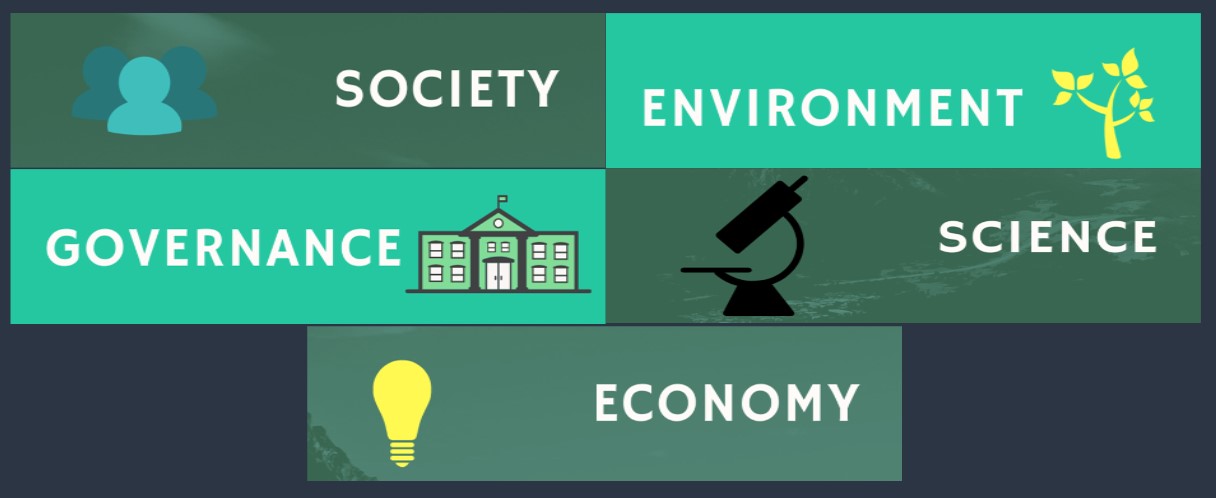
The MICS project explores the impact of citizen science activities on five domains – ENVIRONMENT, GOVERNANCE, SCIENCE & TECHNOLOGY, SOCIETY and ECONOMY. To develop a methodology to measure impact it is important to understand what people perceive impact is and how it manifests itself in citizen science activities. To do this, we invited citizens from the Outfall Safari citizen science project to a workshop to discuss their understanding and perspectives of ‘impact’.
What is Outfall Safari?
Outfall Safari is an innovative citizen science method for locating, assessing the impact of, and reporting on polluted surface water outfalls. Polluting surface water outfalls often occur when household appliances are incorrectly plumbed, ‘misconnected’, into surface water drains, which flow directly into rivers. Citizens use an app to score outfalls based on the appearance and flow. The polluting outfall scores are reported to local water companies who work to trace misconnected pipes to remedy pollution hotspots.
Since Outfall Safari began in 2016 over 200 citizen scientists have been involved in surveying over 150 km of rivers across Greater London. The project helps raise awareness of the issue, collect valuable data and helps water companies target efforts to reduce pollution and improve our rivers. Outfall Safari is one of the UK MICS case studies.
More information about Outfall Safari is here: www.catchmentbasedapproach.org/learn/outfall-safari-guide/
The workshop
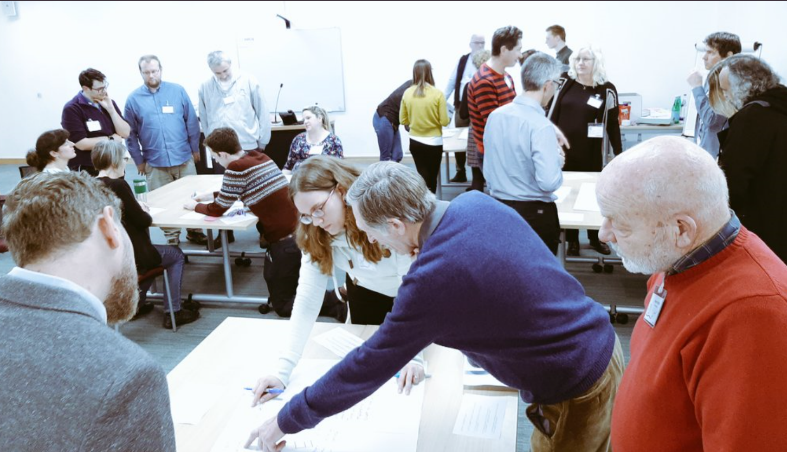
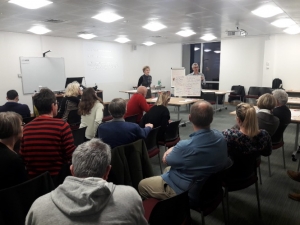
The MICS project partners joined with citizen scientists and the coordinator of the Outfall Safari project to discuss impact. The workshop began with an overview of the MICS project, followed by a presentation about Outfall Safari. This was a good introduction to set the context for the session. We then split into small groups to discuss the five impact domains.
What did we learn from the workshop?
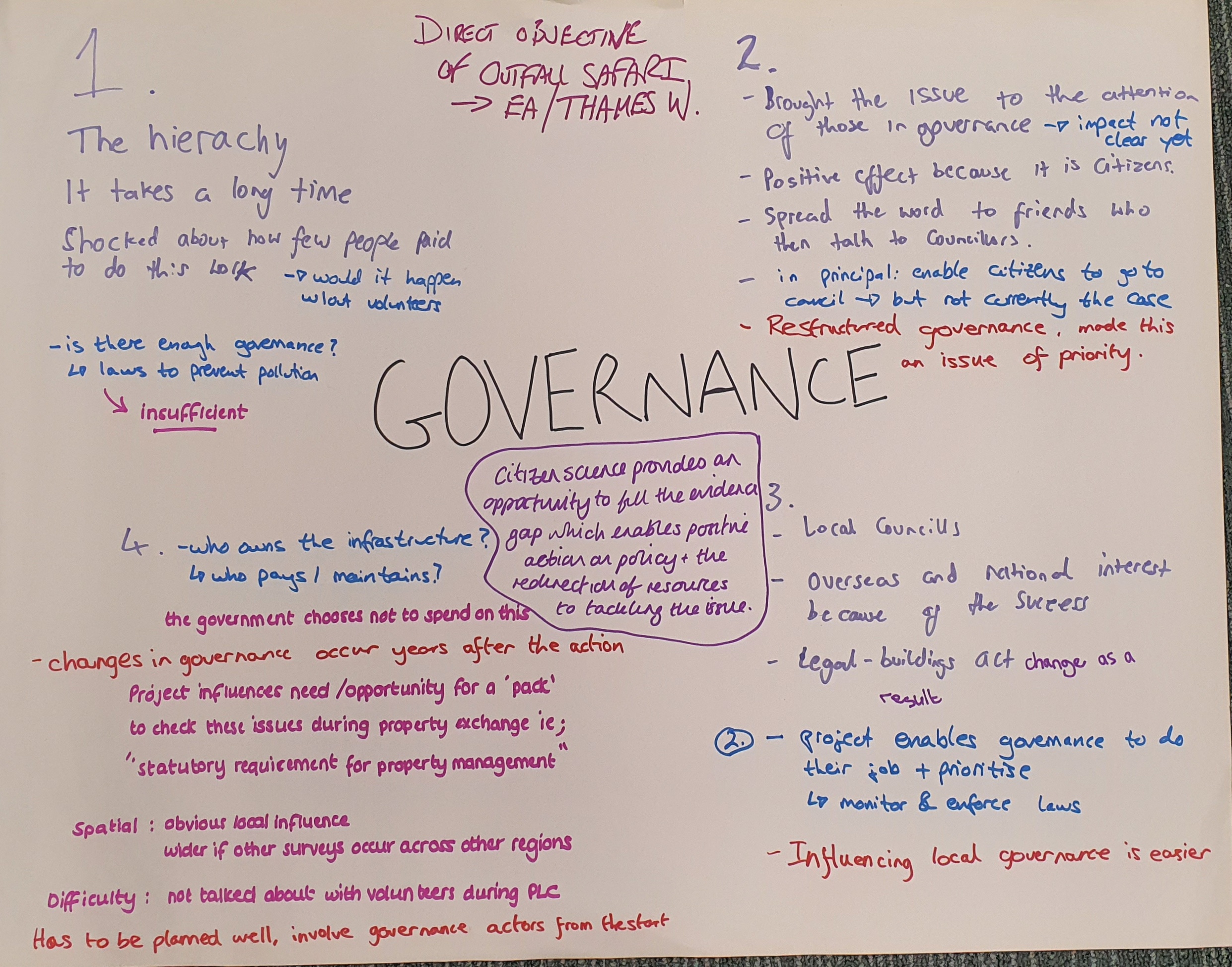
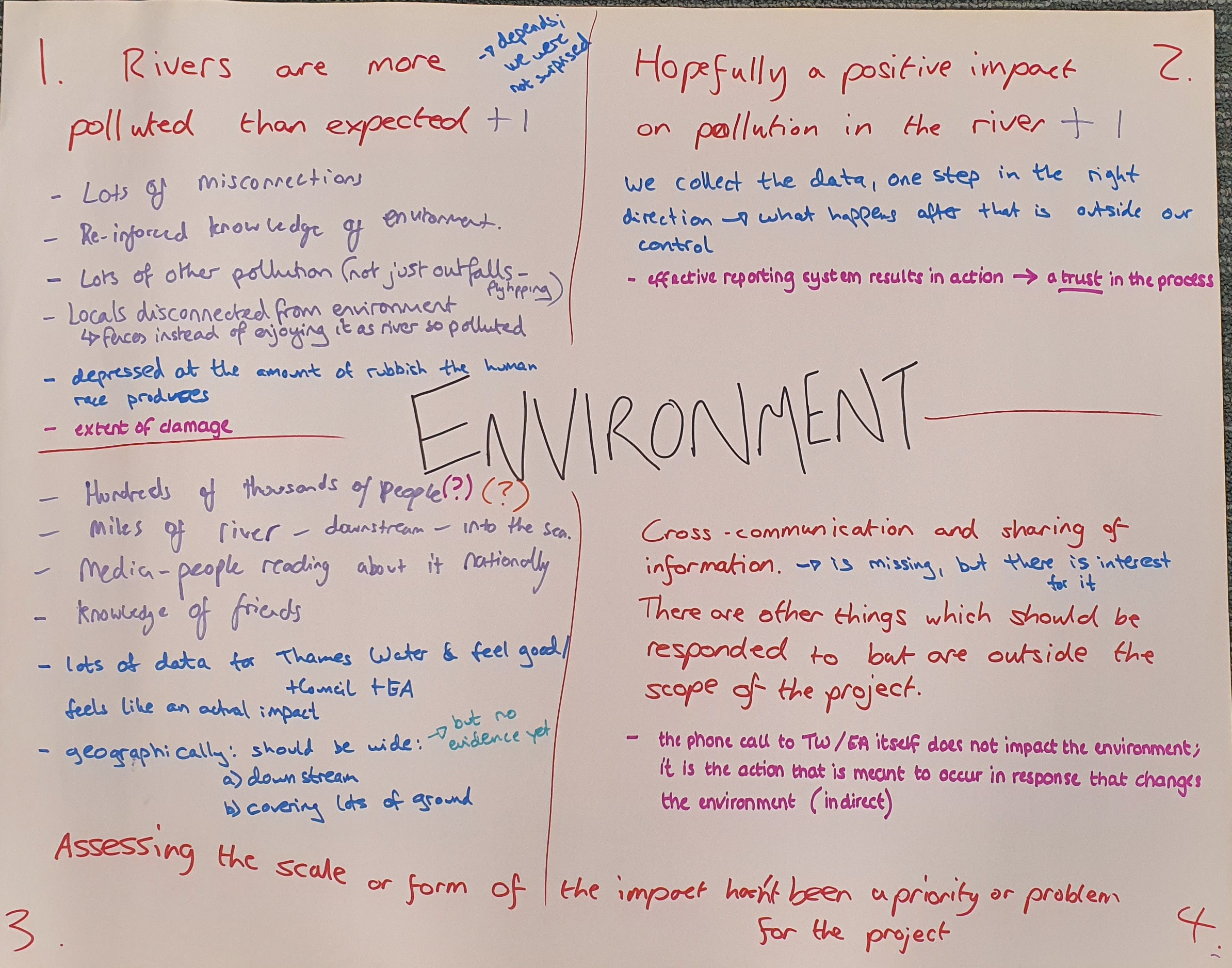
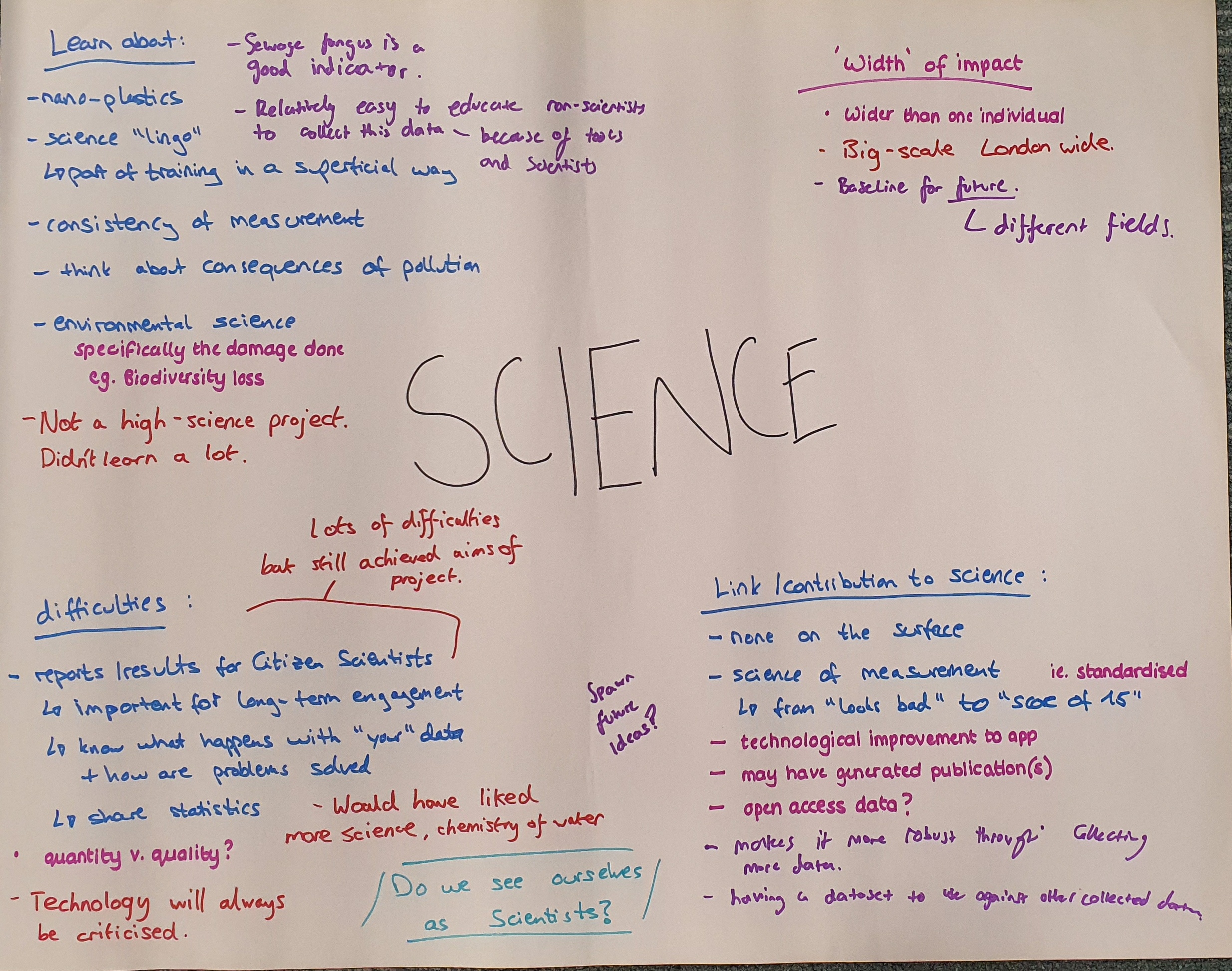
We asked the citizens to write a summary sentence of the discussion related to each impact domain. The sentences provide an overview of the discussions -
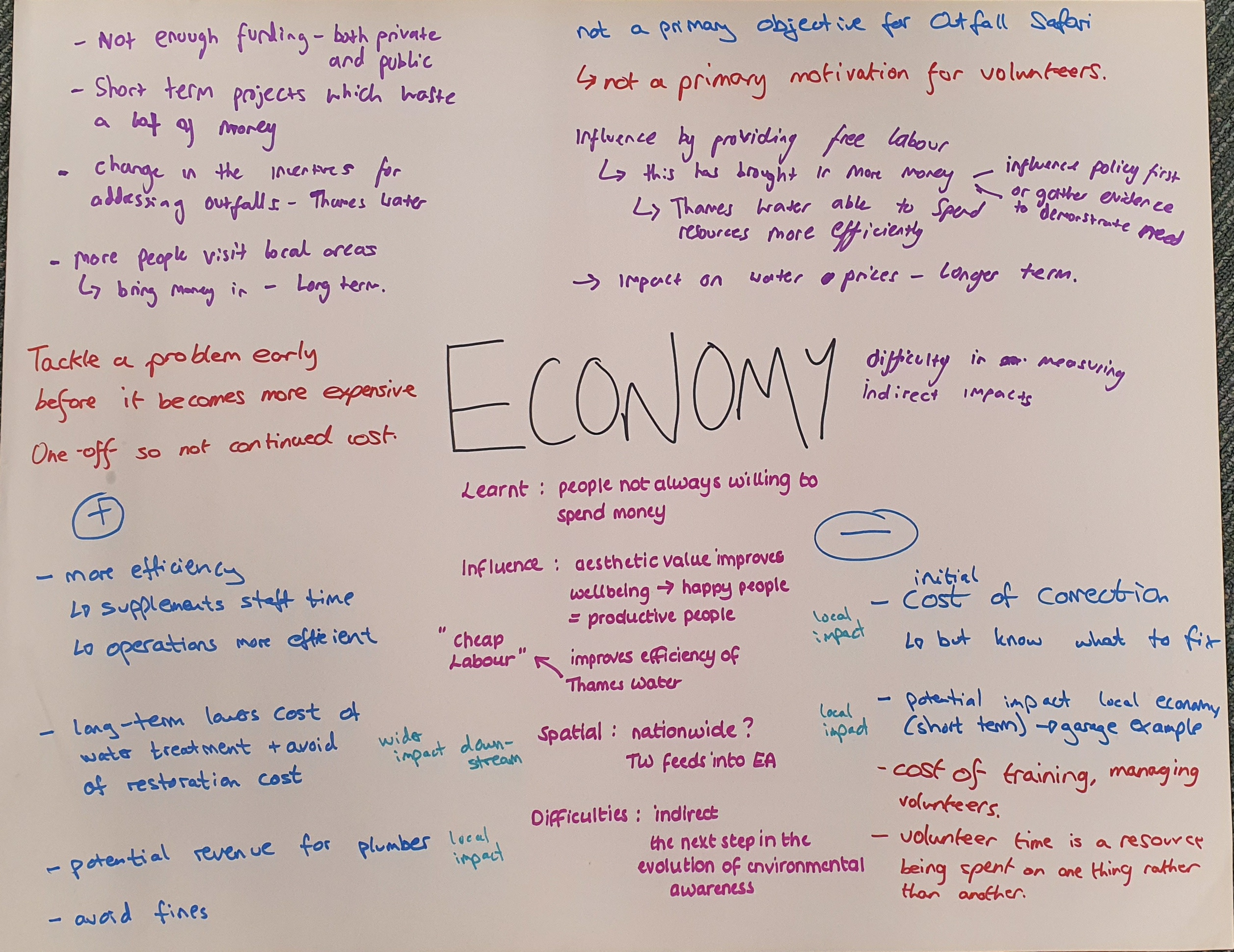
“Outfall Safari contributes to the ECONOMY by identifying problems early before the solution becomes more expensive, via cheap labour, although the reduction of economic costs is not a primary motive for the volunteers”
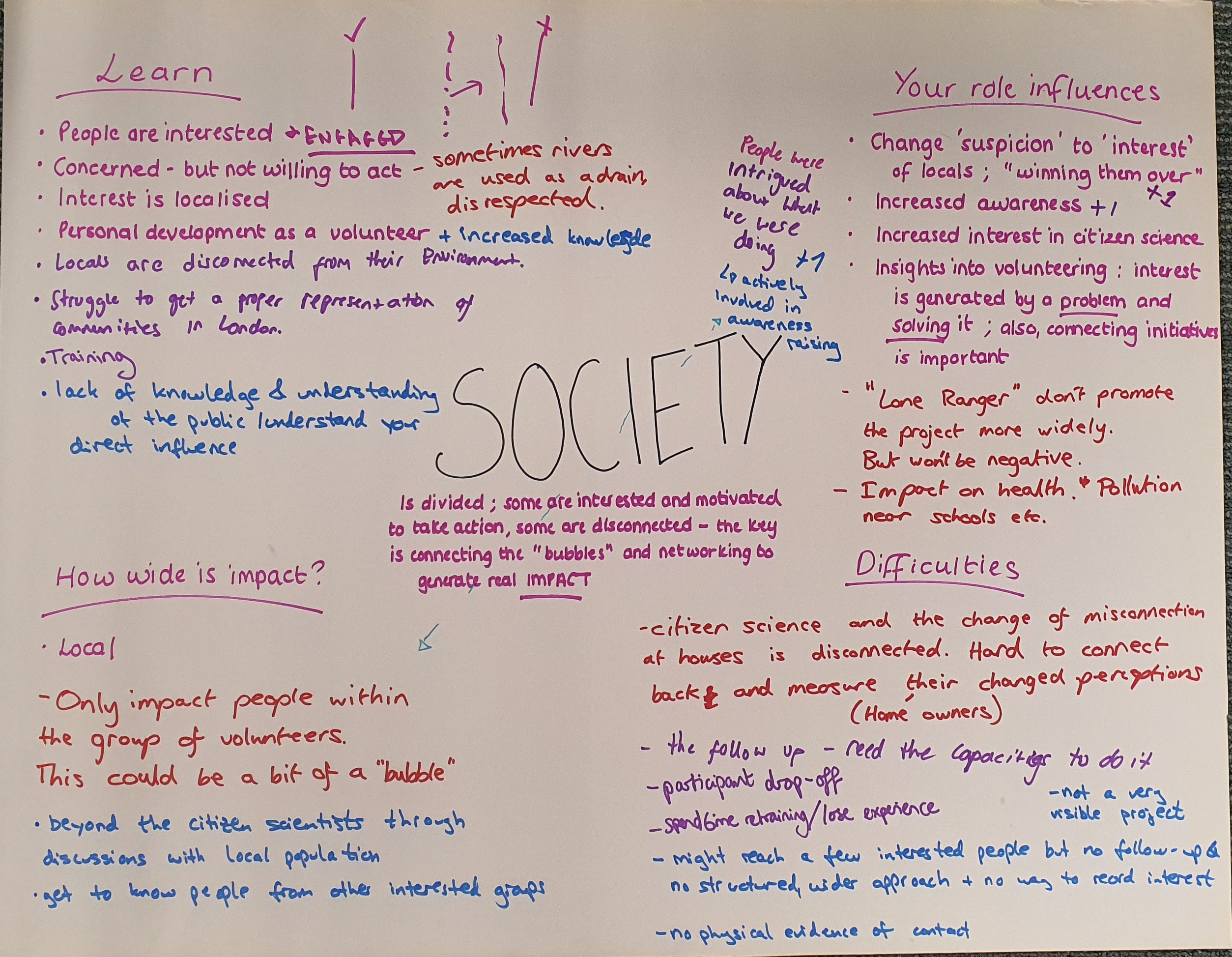
“SOCIETY is divided; some [citizens] are interested and motivated to take action, some [citizens] are disconnected – the key is to connect the “bubbles” and networking to generate real impact”
“Citizen science provides an opportunity to fill the evidence gap which enables a positive action on policy, GOVERNANCE, and the redirection of resources to tackling the issue”
“We learnt about pollution in our rivers and this is an environmental concern, however, the action of collecting data does not immediately impact the ENVIRONMENT, learning about how the data is used from our [citizen] involvement to improve the environment is important”
“Citizen science provides the opportunity to collect scientific data over large spatial and temporal scales supporting SCIENTIFIC discovery and TECHNOLOGY development.”
The workshop was a great opportunity to explore impact. The citizen scientists found the session useful and many had not considered their role as ‘impactful’ before. The outputs of this workshop are being used in the development of the MICS method. We would like to thank all the volunteers who came to the workshop!